Direct answer: For parents seeking infant formulas without inflammatory oils, choose formulas that avoid palm olein or other problematic fats and emphasize gentler fats and added nutrients. This guide highlights five consumer-friendly options, explaining who they are best for and why they were selected. Each product includes clear reasons to help you compare at a glance, with practical cautions where data supports them. The top picks aim to support digestion, growth, and immune health while steering clear of common inflammatory ingredients.
Buyer-friendly quick reference table
| Product | Brand | Best For | Why It’s Featured |
|---|---|---|---|
| Pure Bliss Irish Farms, Easy-to-Digest Baby Formula | Similac | Belly comfort for infants | Non-GMO feel, Europe-made milk base; easy-to-digest formulation |
| Baby’s Only A2 Organic Milk Infant Formula | Baby’s Only Organic | A2 milk supporters | Organic, A2 beta-casein protein, dairy fat blend |
| Earth’s Best Organic Baby Formula | Earth’s Best | Organic option with DHA/ARA | Organic milk, lutein, prebiotics; no corn syrup mentioned |
| Similac Irish Farms | Similac | Whole Ireland-origin milk formula | No artificial growth hormones or palm olein oil, non-GMO |
| Enfamil A.R. Infant Formula | Enfamil | Spit-up reduction | Rice starch-based, supports digestive comfort |
Pure Bliss Irish Farms, Easy-to-Digest Baby Formula

Best for caregivers seeking a European-made base with an emphasis on ease of digestion. This formula uses fresh milk from Ireland and is crafted to model breast milk digestion patterns, aligning with parents prioritizing gentle tummy support. It is positioned as non-GMO and free from artificial growth hormones in the product messaging, making it a solid option for families avoiding inflammatory oils.
Who it’s best for: Parents who want an Ireland-origin milk base and a focus on gentle digestion for infants aged 0–12 months. Why selected: Strong emphasis on easy digestion and European sourcing. Caution: The product’s exact fat blend isn’t fully disclosed in the listing, so confirm after purchase if you specifically need to avoid certain fats.
Baby’s Only A2 Organic Milk Infant Formula

Best for families seeking an A2 milk-based formula with organic certification and a simple ingredient list free from corn syrup and growth hormones. A2 beta-casein protein is highlighted as easier to digest for some infants, and the formula uses a proprietary organic fat blend to support digestion.
Who it’s best for: Infants whose caregivers prefer A2 milk proteins and organic ingredients. Why selected: Explicitly positions its A2 milk approach as gentle on bellies and easy to digest. Caution: Organic fat blend details are high-level; consider checking exact fat sources if you have strict fat requirements.
Earth’s Best Organic Baby Formula
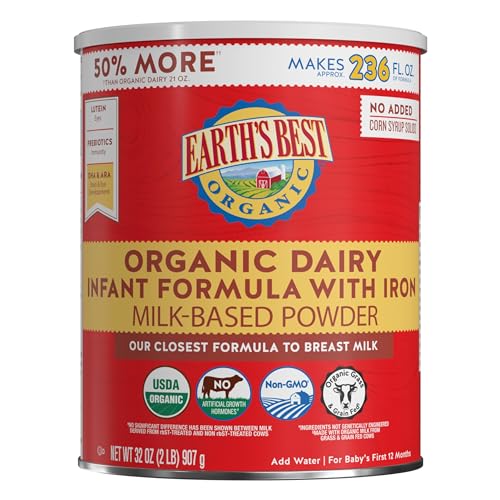
Best for parents seeking a fully organic option with essential fatty acids, prebiotics, and DHA/ARA for brain and eye development. The formula emphasizes organic milk from grass- and grain-fed cows and avoids corn syrup in its formulation, aligning with goals to minimize inflammatory ingredients. It’s positioned as a good all-around option for supplementing breastfeeding or as a primary formula during the first year.
Who it’s best for: Families prioritizing organic ingredients and a straightforward, breast-milk–mimicking nutrition profile. Why selected: Combines organic sourcing with nutrition like lutein, prebiotics, and DHA/ARA. Caution: Lacks explicit mention of palm oil avoidance; verify fat sources if this is a strict requirement.
Similac Irish Farms, Easy-to-Digest Formula

Best for parents seeking an Ireland-based milk supply with careful digestion design. This variant is designed to be easy on the stomach, with a focus on high-quality ingredients processed in Europe, and is non-GMO with no artificial growth hormones in its claims. It’s a solid pick for families who value a gentle feeding experience without controversial fats in the messaging.
Who it’s best for: Infants requiring a gentle, digestion-friendly formula with European sourcing. Why selected: Clear emphasis on easy digestion and European milk. Caution: Availability and packaging may vary by region; check the current lot details before purchase.
Enfamil A.R. Infant Formula

Best for babies who spit up frequently. Enfamil A.R. uses rice starch to help reduce reflux and support digestion, paired with iron and DHA for brain development. The dual prebiotic formula aims to balance immune health and digestion, offering a clinically focused option for reflux-prone infants.
Who it’s best for: Infants with reflux or spit-up tendencies who need a thicker-feel formula. Why selected: Clear reflux-reduction capability with a reputable brand. Caution: Some infants may respond to rice starch differently; monitor for any digestive changes after starting this formula.
Mama Bear Advantage Premium Formula

Best for budget-conscious families who want balanced nutrition with immune-supporting components. This formula includes 2’-FL HMO prebiotics for infant digestion and immune support, aiming to resemble aspects of breast milk through a complete nutrient profile including DHA and antioxidants.
Who it’s best for: Families seeking a cost-effective option with probiotic-like prebiotics and HMO structure. Why selected: Strong emphasis on immune support through prebiotics. Caution: Tag-along claims comparing to premium brands may vary; confirm ingredient specifics if you have strict dietary restrictions.
Earth’s Best Organic Sensitivity Infant Formula
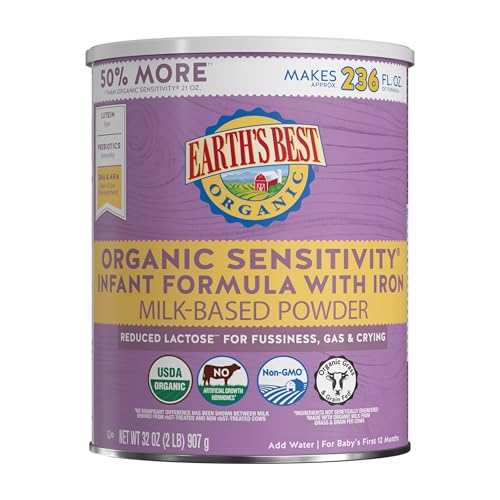
Best for delicate tummies that respond to standard dairy formulas. Earth’s Best Organic Sensitivity is a reduced-lactose option designed to ease upset stomachs while delivering DHA/ARA for brain development and prebiotics for digestive health. It’s positioned as an easy-to-digest choice within the organic family.
Who it’s best for: Infants with lactose sensitivity or fussiness tied to digestion. Why selected: Targeted for sensitive guts with reduced lactose and organic ingredients. Caution: Reduced lactose may not be suitable for all infants; consult a pediatrician if your baby requires full-lactose formula.
Buying Guide: Key Purchase Considerations
- Digestive support: Look for formulas that highlight easy-to-digest fats, gentle proteins, or added prebiotics/probiotics. Avoid blends that rely on palm oil if you want to minimize inflammatory fats, or confirm the fat source with the manufacturer.
- Organic vs. conventional: Organic formulas may reduce exposure to certain additives and GMOs. Consider family priorities, price, and availability.
- Protein type: A2 protein formulas can be easier to digest for some infants; A2 milk-based options are worth considering if you’ve observed tummy discomfort with standard milk proteins.
- Allergen considerations: If there is a risk of allergies, choose formulas that clearly disclose ingredients and avoid common triggers. Lactose sensitivity may steer you toward reduced-lactose or lactose-free options.
- Age range and feeding goals: Most formulas cover 0–12 months, but check serving suggestions and whether you plan to transition to whole milk later, as this affects choice.
- HMO and DHA/ARA content: Prebiotics and HMOs support digestion and immune health; DHA/ARA support brain and eye development. Compare levels if you’re choosing between similar products.
Frequently Asked Questions
- What should I look for to avoid inflammatory oils in infant formula?
– Check the fat blend for palm oil or palm olein; verify the ingredient list for “palm oil” or related terms and prefer formulas advertising no palm oils. - Are A2 milk-based formulas better for digestion?
– Some babies digest A2 beta-casein protein more easily; consider trying an A2 option if your infant shows discomfort with standard formulas. - Is organic formula always better for digestion?
– Organic status can align with fewer synthetic additives, but digestion depends on overall formula composition and your baby’s tolerance. - Can reduced-lactose formulas help with fussiness?
– Reduced-lactose formulas may ease symptoms for some infants with lactose sensitivity; consult pediatric guidance if needed. - How do I know which formula to start with?
– Consider starting with a well-suited option for your baby’s age and digestive needs, and consult a pediatrician if there are persistent tummy issues.