Parents seeking gentle, easy-to-digest infant formulas will find several options designed to ease fussiness, gas, and spit-up while meeting daily nutrition needs. The following products are selected for babies who tend to have sensitive stomachs or lactose sensitivity, or who benefit from prebiotics and specially designed protein blends. Each entry notes who it’s best for and why, with practical considerations to help you choose confidently.
Quick buyer table:
- Product: Similac 360 Total Care Sensitive — Best for lactose-sensitive babies needing a gentle option
- Product: Enfamil NeuroPro Gentlease — Better for babies with fussiness, gas, and spit-up
- Product: Similac 360 Total Care Gentle Comfort — Good for babies needing a closer match to breast milk digestion
- Product: Similac Irish Farms Easy-to-Digest — Ideal for on-the-go families who prefer European-sourced ingredients
- Product: Bubs Goat Milk Formula — Suitable for parents seeking goat-myled digestion support
Similac 360 Total Care Infant Formula (Sensitive)

Best for: Babies with lactose sensitivity or gentle digestion needs. Why selected: This formula includes 5 HMO prebiotics, designed to approach the digestive support found in breast milk, with a focus on easing fussiness and gas associated with lactose sensitivity. Caution: Product claims rely on formulation matching; always monitor for individual tolerance and consult a pediatrician if discomfort persists.
Similac 360 Total Care Sensitive

Best for: Infants experiencing fussiness and gas due to lactose sensitivity. Why selected: An exclusive blend of 5 HMO prebiotics mirrors breast milk’s gut-friendly profile, supporting easier digestion. Caution: Powder form requires careful preparation to avoid dosing errors; follow instructions precisely.
Enfamil NeuroPro Gentlease Ready-to-Feed
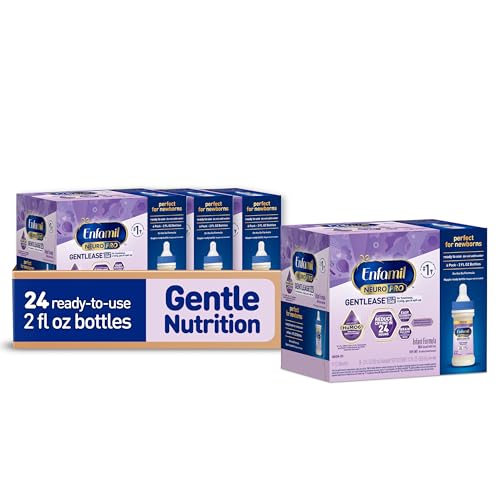
Best for: Parents needing travel-friendly, ready-to-feed formula with digestion-focused features. Why selected: Designed to ease fussiness, crying, gas, and spit-up within 24 hours, while supporting brain development with DHA. Caution: Ready-to-feed options can be more expensive per feeding than powder forms, so plan accordingly for daily use.
Similac Irish Farms Easy-to-Digest

Best for: Families seeking European-sourced, easy-to-digest infant formula with a focus on gentle nutrition. Why selected: Made with high-quality ingredients and crafted with care; starts with fresh milk from Ireland. Caution: Availability and packaging may vary by region; check local stock and preparation tips.
Similac Organic Infant Formula
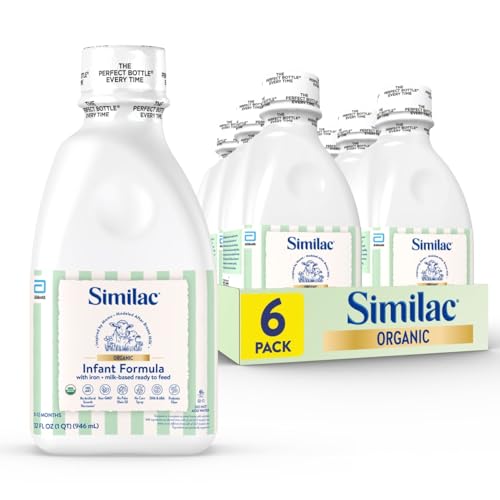
Best for: Parents seeking USDA-certified organic options with ready-to-feed convenience. Why selected: No artificial growth hormones, palm olein oil, or corn syrup; non-GMO and ready-to-feed for on-the-go feeding. Caution: Organic options may come with higher price points and limited flavor availability; ensure it suits your baby’s tolerance.
Pure Bliss Irish Farms Easy-to-Digest

Best for: Babies who benefit from European-sourced, easy-to-digest baby formula models. Why selected: Made in Europe with European dairy practices and crafted for gentle digestion. Caution: Brand naming differences may require cross-checking product specifics and ingredient lists before purchase.
Buying Guide: Key Factors For Choosing Easy-To-Digest Formula
What digestion-support features should I look for? Focus on formulas with prebiotics (such as HMOs) that resemble breast milk’s gut-supporting profile. Consider partially hydrolyzed proteins if your pediatrician recommends easier digestion, and note lactose sensitivity if your baby seems fussier after dairy.
Powder vs. Ready-to-Feed — which is easier to manage? Powder options require mixing and precise measuring but are typically more economical. Ready-to-feed formulas are convenient for travel or late-night feeds but can cost more per ounce.
Organic and non-GMO considerations: If avoiding artificial additives is important, look for USDA organic labels and non-GMO claims. Keep in mind that organic formulas may still require guidance from a pediatrician for certain digestive concerns.
Region and availability: European-sourced formulas may have different ingredient standards. If you value European dairy practices, check the ingredient list and availability in your region.
Allergen and dietary restrictions: If your baby has known sensitivities, such as lactose intolerance or milk protein sensitivity, verify the formula’s protein type and prebiotic blend. Do not switch without pediatrician guidance when managing sensitivities or allergies.
Choosing The Right Option: Quick Decision Aids
- Want the most breast-milk-like prebiotics? Choose a formula with multiple HMOs (5 HMO prebiotics).
- Managing gas and fussiness specifically tied to lactose? Consider a sensitive or gentle comfort formula designed for lactose sensitivity.
- Traveling or seeking quick feeds? Ready-to-feed options simplify preparation and reduce dosing errors.
- Prefer organic options? Look for USDA-certified organic formulas with clear labeling.
Frequently Asked Questions
- What makes an “easy-to-digest” baby formula different from standard formula?
– It often features prebiotics and protein blends designed to ease digestion and reduce common tummy troubles like fussiness and gas. - Is it safe to switch formulas if my baby seems uncomfortable?
– Consult a pediatrician before switching. Some babies need gradual transitions and monitoring for tolerance. - Are all six-month-olds able to use ready-to-feed formulas?
– Most infants can, but always follow your pediatrician’s guidance and consider your baby’s feeding pattern and preferences. - Do organic formulas offer better digestion?
– Organic labeling emphasizes different standards; digestion depends on individual tolerance and protein type. - Can I mix formulas if my baby tolerates some but not others?
– Mixing formulas is generally not recommended without professional guidance, as it can affect nutrition balance and digestion. - How do I determine if my baby needs a hypoallergenic or partially hydrolyzed option?
– Your pediatrician may recommend a specific formula based on medical history, tolerance, and growth patterns.