Answering the most common buyer question: which baby cup with a straw best supports bottle-to-cup transitions? This guide highlights five widely available options that target different needs, from anti-leak design to flexible sipping angles. Ideal for parents seeking durable, beginner-friendly cups for infants and toddlers, these picks emphasize weighted straws, easy-grip handles, and spill-proof features. The following table summarizes each product’s primary strengths to help you compare at a glance.
| Product | Capacity | Best For |
|---|---|---|
| Dr. Brown’s Milestones Baby’s First Straw Cup (Dark Blue) | 9 oz / 270 mL | Best for early straw learners needing a weighted straw and easy grip |
| The First Years Squeeze & Sip Toddler Straw Cups | 7 oz | Best for gradual transition with a squeezable, controlled flow |
| Moonkie Silicone Baby Sippy Cups (4 oz) | 4 oz | Best for beginners with a three-in-one design (straw/spout/open) |
| Tommee Tippee Starter Weighted Straw Cup (2 Pack) | 8 oz each | Best for multi-child households; anti-leak with weighted straw |
| Munchkin Any Angle Sippy Cups (2 Pack) | 7 oz each | Best for versatile sipping from any angle |
Dr. Brown’s Milestones Baby’s First Straw Cup, Dark Blue

The cup features a weighted silicone straw that moves with the liquid, enabling sip-at-any-angle drinking. Side-grip handles help little hands hold the cup, and the contoured body with removable handles supports growth as a child’s grip improves. Best for: babies and toddlers starting straw drinking who need reliable, versatile handling. Caution: check for residual liquid when reassembling after washing to prevent leaks.
The First Years Squeeze & Sip Toddler Straw Cups
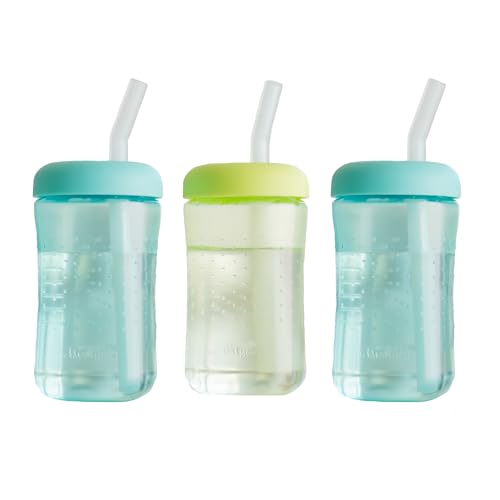
This set uses a squeezable design with a silicone straw and a valve that controls flow. It transitions from a trainer cup to a regular toddler cup as drinking skills grow. Best for: beginners who need a gentle, controlled start to straw drinking. Caution: some users report varying bottle color availability; monitor the valve for wear with frequent squeezing.
Dr. Brown’s Milestones Baby’s First Straw Cup, Coral/Olive Green

A duplicate style of Dr. Brown’s Milestones, this coral/olive green variant offers the same weighted straw and easy grip features. Best for: households wanting an additional cup with the same proven design for siblings or backups. Caution: ensure color does not affect visibility of the liquid level if you rely on sight cues.
Moonkie Silicone Baby Sippy Cups (4 oz)
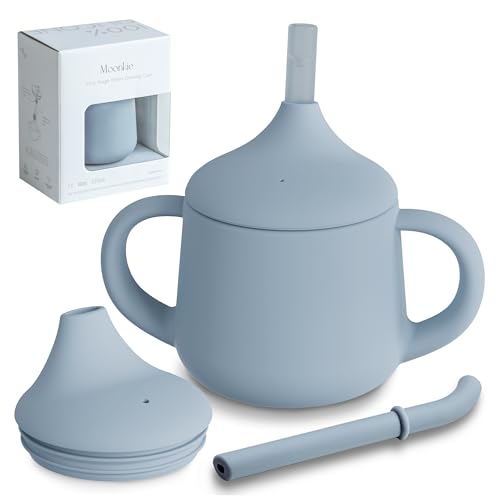
This three-in-one design converts from straw cup to spout cup to open cup, promoting lip closure, speech development, and safe swallowing. It uses 100% food-grade silicone, BPA-free materials, and a soft yet durable straw. Best for: early drinkers who need flexibility across stages. Caution: the three-in-one design requires careful cleaning to keep valves and joints hygienic.
Munchkin Gentle Transition Honey Bear Straw Cup
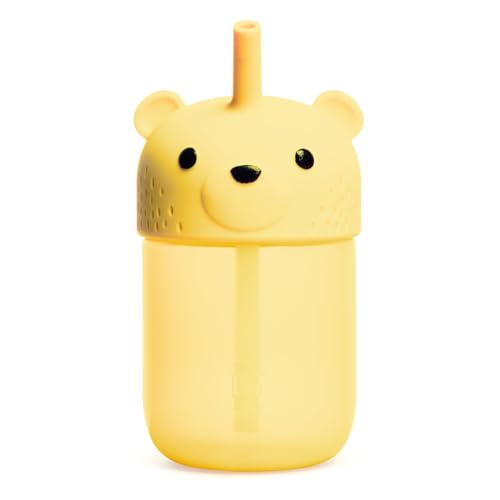
Designed for easy sipping with a squeezable feel, this yellow straw cup helps teach straw use while keeping mess to a minimum. Best for: toddlers who benefit from a fun, friendly learning cue. Caution: ensure the squeeze mechanism is not overextended to avoid straw misalignment.
Buying Guide: How To Choose The Right Baby Cup With Straw
What matters most when selecting a straw cup for a baby or toddler? Look for a weighted straw if they struggle with upright drinking, a leak-proof lid to minimize mess, and easy-grip handles that accommodate small hands. Consider the cup’s size and weight—larger cups can be harder to manage for beginners. A three-in-one design may offer longevity, but ensure cleaning is straightforward. If you have multiple kids, a two-pack or multi-pack option can save time and space. Always check materials for BPA-free safety and ensure the straw is durable enough for teething.
What stage should you start with?
Begin with a lightweight, 4–7 oz option to reduce spills while the child learns to coordinate sucking and swallowing. Transition to larger capacities (8–9 oz) as confidence grows, and consider a three-in-one model for ongoing versatility.
Which features reduce mess?
- Weighted straw that follows liquid movement
- Leak-proof/anti-squeeze valves
- Sturdy, non-slip handles
- Secure seals and click-lock lids
Care and maintenance tips
- Disassemble fully and wash all parts after use
- Inspect the straw for signs of wear weekly
- Avoid boiling water; follow manufacturer cleaning instructions
Frequently Asked Questions
- Q: When should I start using a straw cup? A: Many children begin around 6 months, but gradual introduction from 4–6 months can help readiness.
- Q: Are weighted straws better for beginners? A: Yes, they adapt to the cup’s tilt and encourage sipping from any angle.
- Q: Are these cups BPA-free? A: Most listed products use BPA-free materials; always verify on the product page.
- Q: How do I clean three-in-one designs? A: Fully disassemble and rinse all components; use a small brush for hard-to-reach areas.
- Q: Is a larger capacity necessary? A: Start small, then move to bigger cups as your child’s drinking skills advance.
- Q: Should I buy a single cup or a multi-pack? A: A multi-pack is convenient for households with multiple young children or as a backup.