If you’re looking for baby cereals without heavy metals, prioritize products that are independently tested for contaminants and made with organic, simple ingredients. This guide highlights five options that emphasize purity, minimal additives, and gentle digestion for babies moving beyond rice cereal. Best for parents seeking clean, organic staples and heavy-metal tested benchmarks for early solids.
Summary of top picks:
- BARI Organic Baby Rice Porridge – Stage 1: First Food for Babies 4+ Months
- BARI Organic Baby Rice Porridge – Stage 2: For Babies 7+ Months
- BARI Organic Baby Rice Porridge – Stage 3: For Babies 10+ Months
- Earth’s Best Organic Infant Cereal, Whole Multi-Grain
- Earth’s Best Organic Baby Food, Whole Grain Oatmeal
BARI Stage 1 Organic Rice Porridge

Features: Heavy metal tested; 100% USDA Organic Korean white rice; single ingredient; no sugar, salt, flavors, or preservatives; ready in about 2 minutes.
Best for: Parents introducing solid foods at around 4 months who want a plain, single-ingredient cereal with independent heavy-metal testing.
Caution: Stage 1 porridge is plain rice; avoid adding sweeteners or flavors to maintain purity.
BARI Stage 2 Organic Rice Porridge

Features: Heavy metal tested; 100% Organic Korean white rice; no sugar, salt, flavors, or preservatives; hypoallergenic and gentle on digestion.
Best for: Babies around 7+ months who need a slightly thicker, more mature stage with the same clean ingredients and testing standards.
Caution: Since it’s a single-ingredient cereal, parents may need to adjust texture gradually to avoid digestive discomfort.
BARI Stage 3 Organic Rice Porridge
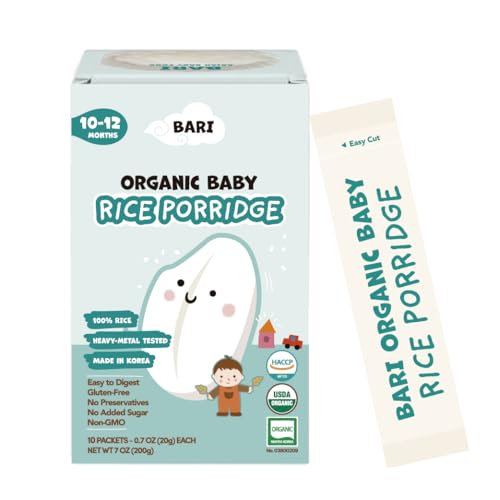
Features: Heavy metal tested; 100% Organic Korean white rice; no sugar, salt, flavors, or preservatives; hypoallergenic and gentle on developing systems.
Best for: Older babies (10+ months) needing a more substantial breakfast or snack with predictable ingredients and proven testing.
Caution: Texture may require more water or formula to reach preferred consistency as babies grow.
Earth’s Best Organic Infant Cereal – Whole Multi-Grain

Features: USDA Organic Certified; whole grains; non-GMO ingredients; iron fortified for growth and development; easily digestible for babies ready to move beyond rice cereal.
Best for: Families seeking a gentle, iron-fortified, organic option with a varied grain mix for early solids.
Limitation: Multi-grain blends may have slightly varied textures; introduce gradually for consistent swallowing.
Earth’s Best Organic Oatmeal Infant Cereal
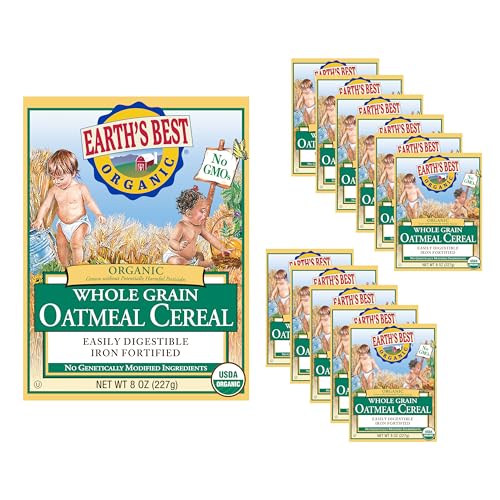
Features: 4+ months first foods; organic whole grain oat flour; clean label with no artificial flavors or colors; iron fortified; non-GMO.
Best for: Parents introducing a gentle, single-grain option with a simple ingredient list and iron support during transition to solids.
Limitation: Oat-based cereals can have variable allergen risk; monitor baby for tolerance and consult a pediatrician if needed.
Comparison Snapshot
| Product | Best For | Key Benefit | Limitation |
|---|---|---|---|
| BARI Stage 1 | Tiny tummies starting solids | Single-ingredient, heavy-metal tested | Plain rice; texture may be thin for some babies |
| BARI Stage 2 | Yeas of stages | Pure organic rice, hypoallergenic | Texture adjustment needed |
| BARI Stage 3 | Older infants | More substantial texture | Texture varies with water ratio |
| Earth’s Best Multi-Grain | Balanced grains | Iron fortified, organic | Texture variety among grains |
| Earth’s Best Oatmeal | Single grain option | Gentle digestion, iron fortified | Oats may trigger gluten-free concerns for rare cases |
Buying Guide: Heavy-Metal Conscious Baby Cereals
What to look for when choosing cereals
Choose cereals that explicitly state heavy-metal testing or third-party testing. Look for organic certifications and simple ingredient lists with minimal additives. Consider iron fortification to support growth and development in early solids.
Single-ingredient vs. multi-grain blends
Single-ingredient cereals help identify sensitivities or allergies, especially for first foods. Multi-grain blends offer varied textures and nutrients but may introduce new flavors and textures gradually.
Texture and preparation
Start with smooth porridge and gradually adjust to thicker textures. Follow package directions for consistency using breast milk, formula, or water. Monitor baby’s swallowing and tail-off responses to texture changes.
Safety and testing
Prefer products with heavy-metal testing or third-party verification. Keep an eye on official recall notices and store from reputable retailers. Do not mix cereals with sweeteners that could mask taste or influence appetite.
Allergen and dietary considerations
Most options are gluten-free or gluten-aware; still verify if your child has a known sensitivity. If you introduce grains beyond rice, watch for signs of intolerance and consult a pediatrician if concerns arise.
Practical feeding plan ideas
- Stage progression: start with Stage 1, then Stage 2, then Stage 3 as you see readiness.
- Texture variety: mix cereals with breast milk or formula to reach a smooth consistency.
- Iron considerations: alternate iron-fortified cereals with other iron-rich foods as recommended by your pediatrician.
FAQ
- What does heavy-metal tested mean for baby cereals?
It means the product is checked for contaminants like arsenic, lead, cadmium, and mercury to ensure safer consumption for infants.
- Are organic cereals always free of heavy metals?
No, but organic products often follow stricter sourcing; look for third-party testing confirmation.
- When should I start stage 2 or stage 3 cereals?
Follow pediatric guidance; typical readiness is after stage 1, based on swallowing and interest in new textures.
- Can I mix cereals with fruit or sugar?
Avoid added sugars and flavors to maintain the purity and safety profile for early solids.
- Is iron fortification necessary?
Iron supports growth and development; discuss fortification with your pediatrician as part of a balanced diet.
- What should I do if my baby rejects a cereal?
Try a different texture or grain and reintroduce gradually. Persistence with small changes is common.