Finding a carrier for a 2-year-old means prioritizing durability, body support for parents, and a seat that accommodates a growing child. The following selections are tailored for toddlers aged 24–48 months, balancing airflow, hip-healthy design, and versatility for active days out. These options are best for parents who want hands-free mobility during errands, park outings, or travel, while keeping their child securely supported.
Below is a quick buyer’s guide table to summarize each top pick. Use it to compare key aspects at a glance:
- Beco Toddler Carrier with Breathable 3D Mesh — Best for breathable comfort and two carry styles.
- Infantino Flip 4-in-1 Convertible — Best for versatile positions and easy caregiver sharing.
- MOMTORY Safety-Certified 6-in-1 — Best for all-season use and multiple carrying configurations.
- KIYUMI Baby Carrier with Hip Seat — Best for ergonomic hip development and six carrying methods.
- LILLEbaby CarryOn Airflow — Best for wide torso and extra room for larger toddlers.
Beco Toddler Carrier With 3D Mesh

Best for: Parents seeking a breathable, twin-carry option for a 24–48 month-old. This carrier provides both front-carry and backpack modes, with a 3D mesh panel to improve airflow and reduce heat buildup during longer wear sessions. The fabric is moisture-wicking and the design emphasizes lumbar support for the adult wearer, making it suitable for longer outings.
Why selected: The carrier focuses on comfort for growing toddlers and active days. Its two carry positions cover cuddly snuggles or piggyback adventures, giving flexibility as your child grows. The wide seat and durable construction help maintain proper hip alignment for toddlers, which is essential for ongoing hip health.
Caution: Fit adjustments and straps should be re-tuned for comfort after putting your child in the carrier, especially when transitioning between carry modes. Ensure secure buckles before each use.
Infantino Flip 4-in-1 Convertible Carrier
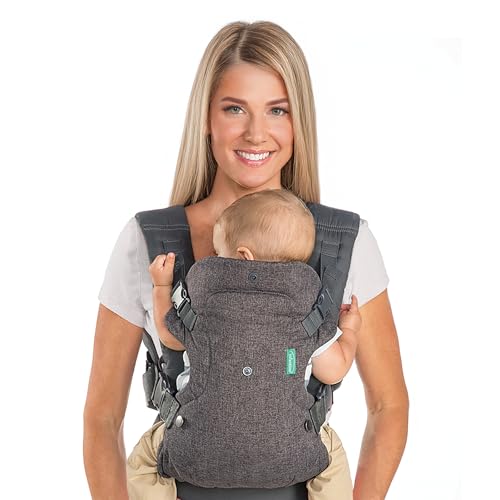
Best for: Families needing multiple wearing styles and easy caregiver sharing. This 4-in-1 carrier supports newborn to toddler stages with facing-in, facing-out, and back carry options, adapting as your child grows from 8 to 32 pounds. It suits parents who value adjustable fit across different bodies and caregivers in the household.
Why selected: An ergonomic design with padded shoulder straps and a wide waist belt distributes weight evenly, reducing back and shoulder strain during prolonged wear. The carrier’s adaptability makes it a solid all-season choice for busy households that frequently switch caregivers or positions during daily tasks.
Caution: Some users find the seat settings require careful adjustment to ensure the baby’s weight is evenly supported in back carry mode, especially for taller toddlers.
MOMTORY 6-in-1 Carrier

Best for: Parents who want a single carrier that covers infancy to toddler years with seasonal versatility. This 6-in-1 design supports several carrying configurations and includes an integrated seat for toddlers, making it practical for varied daily routines from shopping to travel.
Why selected: MOMTORY emphasizes a skin-friendly fabric and a simple wearing process, reducing complexity for caregivers who need quick adjustments. The design promotes easy transitions between carriers and provides secure fit across different body types, making it a robust all-around option for families on the go.
Caution: The text-heavy marketing features can be a bit overwhelming; focus on the 6 distinct carrying positions to optimize use for your child’s growth stage.
KIYUMI 6-in-1 Ergonomic Carrier

Best for: Families seeking a hip-seat carrier with ergonomic support and multiple carrying methods for 0–36 months. The M-position and breathable mesh make it suitable for active toddlers who want some movement while remaining secure.
Why selected: The hip seat design helps maintain a healthy hip position for toddlers and distributes weight to reduce caregiver fatigue. The fabric is soft and skin-friendly, with 3D mesh to keep both parent and child comfortable during warm days or extended wear.
Caution: 6-in-1 versatility means more adjustment points; take time to familiarize yourself with each configuration to maximize comfort.
LILLEbaby CarryOn Airflow Carrier
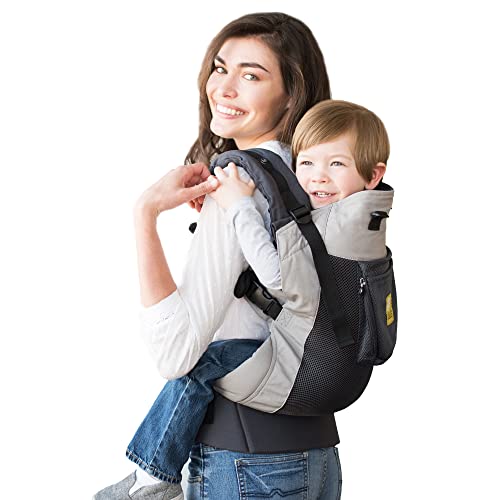
Best for: Parents who want a roomy carrier with extended torso space for growing toddlers and frequent stroller-free travel. The CarryOn Airflow supports children up to 60 pounds, enabling longer hands-free periods without switching carriers.
Why selected: Its wide torso and adjustable side panels accommodate larger toddlers while preserving proper hip alignment. The airflow mesh keeps both user and child cooler on hot days, making it suitable for summer outings and environments where ventilation matters.
Caution: The carrier is a larger, heavier option; consider carting space versus portability if you need a highly compact carrier for frequent travel.
Buying Guide: Key Considerations For Choosing A Toddler Carrier
- Size And Fit: Look for carriers that offer adjustable torso length, seat width, and strap positions to accommodate a 24–48 month toddler and different caregiver bodies.
- Ergonomics: Favor hip-healthy designs with a natural M-shape leg position for toddlers and padded shoulders for adults to minimize strain.
- Carrying Positions: A versatile carrier should offer at least front-facing, back carry, and hip-forward options to support toddler development and caregiver comfort.
- Breathability: Mesh panels and moisture-wicking fabrics help keep both adult and child cool during longer wear times.
- Durability And Care: Check for strong stitching, reinforced seams, and easy cleaning materials since toddlers can be active and curious.
- Weight Range: Confirm the carrier supports the toddler’s current weight and how expandable it is as they grow.
- Portability: If you travel often, consider weight, packability, and how easily the carrier stores when not in use.
Frequently Asked Questions
- What is the best carrier for a 2-year-old who still wants to ride?
– A carrier with a wide, supportive seat and multiple carrying options is ideal. Look for hip-seat or ergonomic designs that support up to 60 pounds where possible. - Are there safety considerations for toddlers in a carrier?
– Ensure the child’s hips are in the natural M-position, the carrier fits securely, and all buckles and straps are fastened properly before each use. - How do I choose between front carry and back carry?
– Front carry is great for social interaction and quick errands with a smaller toddler, while back carry is better for longer wear or when the child is more mobile and wants to see the surroundings. - Can these carriers be used year-round?
– Yes, many designs offer breathable mesh for warm days and sturdy fabrics for cooler weather; consider all-season options if you need versatility.