Find the best booties for newborns and early walkers in a concise, fact-based guide. This article highlights five top options designed for 0-3 month babies, focusing on warmth, fit, and ease of use. Perfect for parents seeking soft, secure footwear that stays on tiny feet without overheating. Each pick is explained for who it’s best for and why it stands out.
| Product | Brand | Best For |
|---|---|---|
| Rebolly Baby Booties 100% Cotton Knitted | Rebolly | Newborns needing a warm, secure fit with adjustable lace closure |
| DovFanny Baby Booties (Coffee) | DovFanny | All-season soft knit with easy on/off for sensitive skin |
| DovFanny Baby Booties (Beige) | DovFanny | Comfy, stylish option that stays on during gentle activity |
| DUONITITI Newborn Knit Booties (Grey+Blue) | DUONITITI | First-walker readiness with elastic knit and cute animal shapes |
| Bufims Baby Booties 0-3 Months | Bufims | Wiggly babies who need a snug, non-slip fleece bootie |
Rebolly 100% Cotton Knit Booties

Best for: newborns needing warmth without overheating. These booties use OEKO-TEX certified cotton, offering soft contact with delicate skin and breathable fabric to prevent overheating. The design includes a secure adjustable lace closure to reduce slipping as babies grow, making them suitable for all-day wear in crib or stroller time.
Why selected: The combination of thick, silky-soft material and a stay-on mechanism addresses two common concerns—comfort and foot security. Choose this if you prioritize natural fibers and a snug fit that adapts as baby grows.
Caution: Availability of sizes can vary; ensure the 0-3 month range matches your baby’s current measurements. Not ideal for extremely active movement if the closure loosens.
DovFanny Crochet Booties (Coffee)

Best for: newborns who need soft, handmade footwear with a gentle touch against skin. 100% handmade crochet, using core-spun yarn, yields a very soft and warm feel. They’re easy to put on and stay on, making them practical for quick changes and daily wear.
Why selected: The handmade construction offers a unique texture that’s gentle on sensitive feet and has a natural warmth. Opt for this if you prefer artisanal details and a snug, trouble-free fit for 0-3 month infants.
Caution: Crochet items can stretch a bit with wear; check fit after the first few uses to ensure they remain secure as baby grows.
DovFanny Knit Booties (Beige)
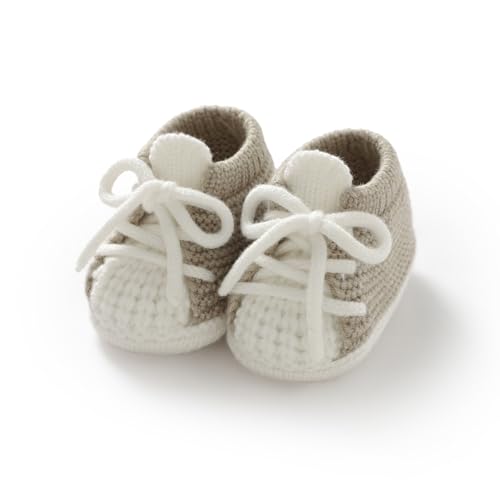
Best for: babies who benefit from dual-color options and a lightweight knit for spring or fall wear. The same soft, safe yarn as the coffee variant emphasizes comfort with a stylish neutral tone.
Why selected: The dual-color beige option adds versatility to baby outfits while maintaining the easy-on/easy-off design. Consider this if you want a practical yet fashionable bootie for 0-3 month milestones.
Caution: Like other knit booties, ensure the closure stays snug as your baby moves; loose closures can reduce security during active play.
DUONITITI Knit Booties (Grey+Blue)

Best for: first walkers and babies who need a snug fit with elastic knit fabric. The two-tone grey and blue adds a visual cue for easier matching with outfits and a gentle stretch that accommodates growing feet.
Why selected: Elasticized knit and soft material provide a balance of warmth and flexibility, reducing the risk of slipping while allowing easy foot movement. Choose this when you want a practical pair that supports early walking development.
Caution: Some users may prefer leather or suede soles later on as babies gain traction; these are primarily knit fabric, so plan for transition at walking readiness.
Bufims 0-3 Months Fleece Booties

Best for: cold-weather or indoor naps where warmth and softness are priorities. The soft fleece material provides a cozy “sweater for the feet” feel, with a stay-on design ideal for wiggly newborns.
Why selected: The stay-on design with hook-and-loop closure plus soft sock-like ankle helps keep booties secure during sleep and quiet play. This makes Bufims a solid option for newborns needing warmth without tightness.
Caution: Fleece can be warmer; monitor baby comfort in warmer environments to avoid overheating.
Buying Guide: Key Purchase Considerations
What material matters most? For newborn skin, choose natural fibers such as cotton or cotton blends to reduce irritation. For winter use, fleece can add warmth but ensure breathability to prevent overheating.
What about fit and stay-on design? Look for adjustable closures, elastic ankles, or Velcro to keep booties from slipping off during kicks. A secure fit reduces loss and replacement needs.
Are knit booties suitable for early walkers? Yes, but plan an eventual transition to shoes with hard soles or anti-slip bottoms as baby begins to crawl and walk more confidently.
Should you consider seasonal use? Lightweight knit or cotton booties are versatile for spring and summer indoors; fleece or thicker knits suit colder months. Always monitor for overheating.
How many pairs to buy? Start with 2–3 pairs in varying colors or textures to match outfits and activities, replacing worn pairs as babies grow quickly out of sizes.
Frequently Asked Questions
- What is the best material for baby booties?
Answer: Natural cotton or cotton blends are gentle on skin and breathable, reducing irritation while keeping feet warm. - Can booties help with early walking?
Answer: Yes, booties with non-slip soles and secure closures support safe movement and prevent slipping on smooth floors. - How do I know the right size for 0-3 months?
Answer: Check the size range on the product listing; measure your baby’s foot length and compare with the brand’s size chart when available. - Are handmade booties better for newborns?
Answer: Handmade options often offer soft textures and unique comfort, but ensure materials are safe and non-irritating for sensitive skin. - When should I stop using booties?
Answer: Transition to non-slip toddler shoes when the baby starts practicing standing and early walking; booties are primarily for warmth and comfort in early months.