Answering the search for bottles that mimic breastfeeding, this guide highlights options that help reduce nipple confusion and support a natural-feeding feel. Each product targets different needs, from anti-colic designs to hospital-trusted shapes. Best for moms seeking smoother transitions between breast and bottle, and for caregivers prioritizing reduced gas or reflux symptoms.
| Product | Best For | Notes |
|---|---|---|
| Suavinex Zero Zero Anti Colic | Breastfeeding-first feeding, minimizing nipple confusion | Spanish brand; adaptable flow; deep tone nipple |
| NUK Perfect Match Natural + Anti-Colic 5 oz | Natural latch, hospital-trusted | 2–4 pack options; soft, skin-like nipple |
| Thyseed Anti-Colic Glass Bottle | Gas reduction, calmer feeds | Glass bottle; anti-colic base vent |
| NANOBÉBÉ Flexy Silicone Bottle | Soft feel, easy breast-to-bottle transition | Anti-colic, stable base |
| NUK Simply Natural + SafeTemp | Safe-temperature checks, natural feeding | Multi-hole nipples; flow options |
Suavinex Zero Zero Anti Colic Bottle
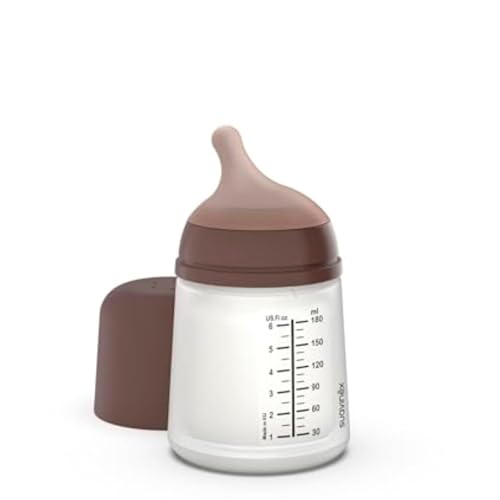
Best for: Parents seeking a bottle that reduces nipple confusion while emphasizing a breastfeeding-like let-down. The adaptable A-flow design lets milk flow primarily when the baby sucks, even upside down, mirroring natural breastfeeding control.
Why selected: Built by Suavinex, a leading Spanish brand, this bottle positions itself as a nursing-supportive option with a patent-pending flow system. It is designed to minimize bottle rejection and nipple confusion, an important consideration for breastfed infants.
Limitations: Some parents may prefer a wider range of flow options beyond the A-flow. Availability of replaceable nipples should be checked with the seller.
NUK Perfect Match Natural + Anti-Colic Bottle, 5 oz, 2 Pack

Best for: Caregivers wanting a hospital-trusted option with a natural-latch nipple and a flexible design that adapts to baby’s mouth. This bottle emphasizes a breast-like nipple and softer silicone.
Why selected: The design aims to promote a healthy latch and reduce feeding stress, aligning with breastfeeding goals. It’s coupled with NUK’s reputation for pediatric feeding products.
Limitations: The “natural” feel is dependent on nipple flow; ensure the appropriate nipples are chosen for your baby’s pace to prevent overfeeding or underfeeding.
Thyseed Anti-Colic Glass Bottle

Best for: Parents seeking a glass option with reduced gas and calm feeds, particularly useful for babies who tolerate glass better or if BPA concerns matter.
Why selected: Features an anti-colic base vent and multiple micro-openings in the nipple to promote steady, paced flow, aiming to minimize gulping and air intake.
Limitations: Glass bottles can be heavier and may require careful handling; ensure you have a sturdy bottle teat and lid to prevent breakage in busy households.
NanobébÉ Flexy Silicone Bottle
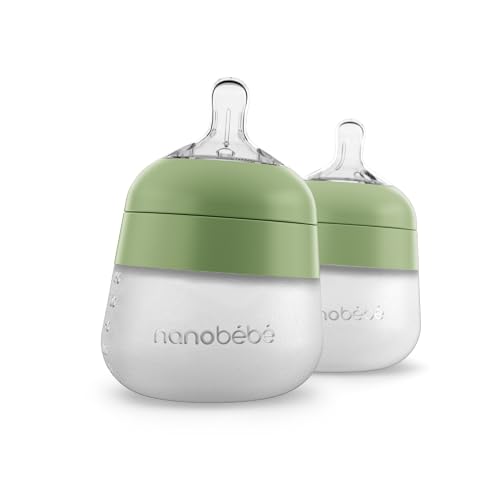
Best for: Families needing a soft, familiar-feeling nipple that reduces nipple confusion while offering easy cleaning and dishwasher/microwave safety.
Why selected: This bottle mirrors the breast’s softness with a non-collapsing, stable base and a triple-vented nipple design. The product line remains a popular choice for consistent latch support.
Limitations: Some caregivers report that cleaning the triple-vent system requires careful attention to ensure no residual milk is trapped in vents.
NUK Simply Natural + SafeTemp

Best for: Parents who want a built-in temperature check and a natural-feel nipple with multiple flow options for gradual feeding.
Why selected: The SafeTemp indicator offers a quick visual cue for milk temperature, while the nipple holes allow customization of flow to suit baby’s pace.
Limitations: The safety indicator depends on the color change mechanism; verify color interpretation in various lighting conditions to avoid misreads.
Buying Guide: Key Considerations For Choosing A Breast-Like Baby Bottle
- Flow control and nipple design: Look for bottles whose nipples closely mimic breast movement and have adjustable flow to minimize nipple confusion.
- Anti-colic features: Venting systems and multi-hole nipples can reduce air ingestion and gas, contributing to calmer feeds.
- Material choice: Glass bottles are durable and free from certain chemicals; silicone or BPA-free plastics offer lighter, shatter-safe options.
- Ease of cleaning: Clear vent paths and simple nipple assemblies help ensure thorough cleaning and safer feeding.
- Transition support: Consider bottles praised for seamless switching between breastfeeding and bottle feeding.
- Temperature indicators: SafeTemp or other indicators help prevent feeding at unsafe temperatures.
- Sizes and bundles: For newborns, smaller volumes (4–5 oz/120–150 mL) reduce waste and simplify feeding schedules; multi-pack options may offer cost efficiency.
Frequently Asked Questions
- What makes a bottle more “breast-like”?
Look for a nipple that mimics breast flex and a flow that responds to baby’s sucking strength. - Do anti-colic bottles really reduce gas?
Vent systems can help minimize swallowed air, which may lower gas for some babies. - Is glass better than plastic for bottle feeding?
Glass is inert and easy to clean, but it’s heavier and breaks more easily than plastic. - How do I know which nipple flow to start with?
Begin with the slowest flow that allows a steady latch, then adjust as baby grows. - Can these bottles cause nipple confusion?
Choosing bottles designed to mimic breastfeeding and using them with a consistent routine helps reduce the risk. - Should I use temperature indicators?
SafeTemp-like indicators can help ensure milk is at a safe feeding temperature.