Answer: For a 6-year-old, a highback or backless booster that fits your child’s size and your vehicle’s seating is ideal. The best options provide grip, easy belt positioning, and growing-with-your-child versatility. This article highlights five booster seats that suit children around 40–100 pounds, offering safety features and comfortable design for longer rides. Best for busy families, carpooling kids, and parents seeking adjustable, long-term use.
The following table compares key details for quick scanning:
| Product | Type | Best For | Notes |
|---|---|---|---|
| Graco TurboBooster 2.0 Highback Declan | Highback/2-in-1 | Growing child who benefits from head/arm support | Adjustable features, strong safety engineering |
| Graco TurboBooster 2.0 Highback Freya | Highback/2-in-1 | Kids needing improved comfort and safety tests | Similar to Declan with comfort tweaks |
| Graco Tranzitions 3-in-1 | Harness to Booster | Long-term use from toddler to youth | No-Rethread harness; converts through stages |
| Safety 1st Grand 2-in-1 Capri Teal | 2-in-1 High Back/Booster | Families needing slim 3-across fit | Lightweight and adaptable across vehicles |
| Graco TurboBooster 2.0 Backless Trisha | Backless Booster | Big-kid booster for older, taller children | Best for smaller cars or secondary car use |
Graco TurboBooster 2.0 Highback Declan

Features include a 2-in-1 Convertible Seat that can transition from a highback booster to a backless booster to grow with your child. It uses Graco ProtectPlus Engineered for rigorous crash tests, emphasizing frontal, side, and rollover safety. Height-adjustable armrests and head support enhance comfort as your child grows. Best for families needing a durable, long-term booster with added upper-body support. Caution: backless mode requires careful belt positioning to ensure a secure fit in smaller vehicles.
Graco TurboBooster 2.0 Backless Denton

This backless booster suits big-kid riders aged roughly 4–10, supporting 40–100 pounds and up to 57 inches tall. It’s backed by Graco ProtectPlus Engineered for a broad safety scope across crash scenarios. Best for families needing a lightweight, portable booster for secondary vehicles or carpooling. Limitation: lacks integrated head support in backless mode, so taller children may benefit from a highback option for neck support on long trips.
Graco TurboBooster 2.0 Highback Freya

Freya mirrors Declan with a 2-in-1 highback design that converts to a backless booster. It incorporates Graco ProtectPlus Engineered for comprehensive safety and features height-adjustable armrests and head support to optimize comfort. Best for children who require extra head support during naps or long trips. Caution: the highback may be less suitable in very small cars where seating space is tight.
Graco Tranzitions 3-in-1 Harness Booster

The Tranzitions 3-in-1 Harness Booster grows with your child, starting as a forward-facing harness seat (26.5–65 lb), then a highback booster (40–100 lb), and finally a backless booster (40–100 lb). It includes a No-Rethread Simply Safe Adjust Harness System that brings headrest and harness together in one motion for quick adjustments. Best for families seeking a single seat that can cover multiple growth stages. Limitation: weight minimum for the highback/booster transition may require careful fit checks for smaller kids at the lower end of the range.
Safety 1st Grand 2-in-1 Capri Teal
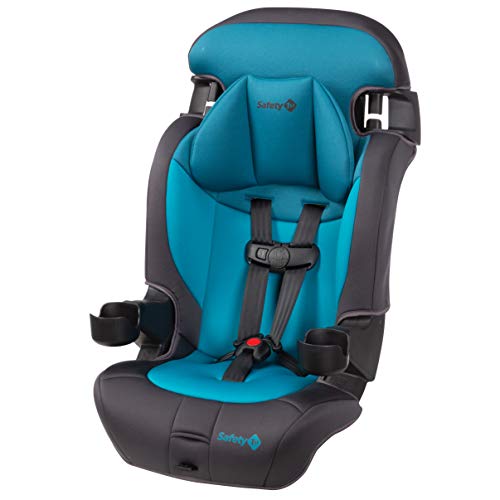
Grand 2-in-1 offers a two-stage setup: a forward-facing harness booster (40–65 lbs) and a belt-positioning booster with back (40–100 lbs). It emphasizes a slim design that helps three-across seating in many vehicles. It’s lightweight and portable for families who switch cars frequently. Best for: compact cars and carpooling scenarios. Caution: ensure a snug belt fit when used as a belt-positioning booster in smaller seating spaces.
Safety 1st Grand 2-in-1 Capri Teal Capri Teal
Note: The Capri Teal variant mirrors the Grand 2-in-1 function with similar 2-in-1 versatility. Best for families wanting a consistent design across colors. Caution: color availability may vary by retailer; confirm specific color choice before purchase.
Buying Guide: Key Considerations For 6 Year Old Booster Seats
- Booster type and growth trajectory: Highback boosters offer head and shoulder support; backless boosters are lighter and easier to move but rely on car seat belts for neck protection.
- Weight and height ranges: Ensure the seat accommodates your child’s current size and allows continued use as they grow to meet local regulations and vehicle space.
- Vehicle compatibility: Slim designs help with three-across seating; measure your vehicle’s back seat width and seating depth to confirm fit.
- Safety features: Look for seats with reinforced belt-positioning, tested crash safety (e.g., multiple crash scenarios and temperature variations).
- Installation and adjustment: Seats with simple harness adjustment and easy belt routing save time and reduce errors during transitions between cars.
- Portability: If you travel or carpool frequently, lightweight seats with straightforward moving between cars are advantageous.
Frequently Asked Questions
- What is the recommended booster seat age or weight? Most guidelines suggest booster seats for children who have outgrown forward-facing harness seats and weigh about 40–100 pounds, depending on the seat and local laws.
- Should a 6-year-old use a highback or backless booster? A highback booster provides head and neck support and is often better for younger or sleeping children; backless boosters are suitable for older, taller children with proper belt fit and robust vehicle seating.
- Can boosters fit in three-across car setups? Some slim designs are specifically noted for three-across compatibility; verify width and belt routing for your vehicle.
- Are 2-in-1 booster seats safer than single-mode boosters? 2-in-1 designs offer flexibility as a child grows, but safety depends on proper use, fit, and adherence to weight/height ranges.
- Do booster seats require installation accessories? Some vehicles benefit from latch anchors or locking clips; always follow the seat’s manual and vehicle guidance for the safest installation.
- Is it necessary to replace a booster seat after a crash? Many manufacturers recommend replacement after a significant crash, even if no visible damage is present; consult the seat’s guidelines and a certified technician if in doubt.