Find the right carrier for a 3-year-old who still wants to ride close or be carried on the go. This guide focuses on ergonomic designs, wide seats, and breathable fabrics that reduce strain for caregivers. It highlights carriers suited for growing toddlers, travel-friendly options, and models with added features like hip-friendly positioning and sun protection. Best for hands-free convenience, ergonomic support, and versatility for toddlers aged 24–48 months and beyond.
| Product | Best For | Key Benefit | Note |
|---|---|---|---|
| Beco Toddler Carrier With Breathable Mesh | Active parents needing airflow | Breathable 3D mesh and extra-wide seat | Great ventilation; front-carrier and backpack options |
| Beco Toddler Carrier With Extra Wide Seat | Parents prioritizing hip-friendly fit | 100% cotton; hip-healthy design | Includes useful pockets and hood for shade |
| LILLEbaby 3-in-1 CarryOn Airflow | Long outings and hikes | Wide torso and up to 60 lb capacity | Adjustable panels for comfort and positioning |
| Ergobaby Upsie Sling | Compact, versatile two-position carry | Two positions; front storage pocket | Lightweight and easy to adjust |
| besrey Baby Backpack Carrier | Outdoor trips and hiking | Rain sunshade and ample storage | 5-point seat belts for safety |
Beco Toddler Carrier With Breathable 3D Mesh

This carrier supports toddlers from 24 to 48 months with an emphasis on airflow. It uses moisture-wicking microfiber and a breathable 3D mesh panel to keep both wearer and child cool. It offers two carry positions—front and back—to accommodate snuggling or active exploration. Best for: parents seeking a breathable, versatile solution for everyday use or short trips with a growing toddler.
Limitations: data notes focus on comfort features; ensure proper fit for your torso length and child’s weight distribution to maximize ergonomics.
Beco Toddler Carrier With Extra Wide Seat

This model centers on a wide seat with 100% cotton fabric for gentle skin contact and even weight distribution. It’s designed to be hip-healthy and offers a high back panel for additional back support. It also includes a zippered bag, a detachable hood, and an easy-access pocket for essentials. Best for: parents prioritizing skin-friendly materials and a more expansive seat to accommodate bigger toddlers.
Limitations: cotton fabric requires mindful washing and quick drying to maintain shape.
LÍLLÉbaby 3-in-1 CarryOn Airflow Toddler Carrier
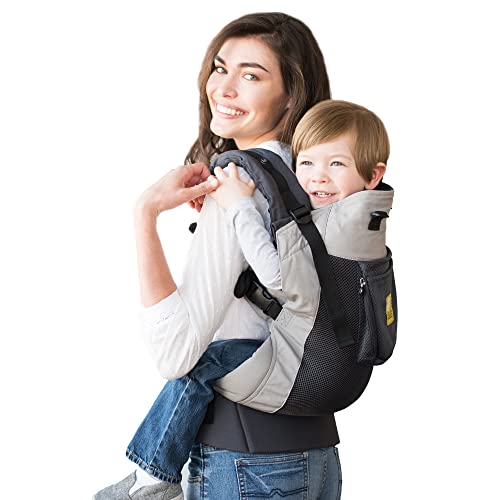
The CarryOn Airflow is crafted to fit growing toddlers with a wider and taller torso. It supports up to 60 pounds and emphasizes adjustable side panels to tailor hip positioning. Best for: caregivers needing long-wone comfort and a carrier that grows with a child, especially for activities requiring extended babywearing.
Caution: heavier toddlers may reduce airflow slightly when seated deeper; adjust the panels to maintain ventilation.
Ergobaby Upsie Sling

The Upsie Sling offers two ergonomic carry positions for ages 6–48 months, with a wide bucket seat that provides thigh support. It includes a front storage pocket and cushioned shoulder straps for a balanced load. Best for: parents who want a compact sling that still offers proper ergonomic support and a quick-don option for quick trips or travel.
Limitation: sling-style carriers may not provide as much torso support as structured carriers for longer wear times.
besrey Baby Backpack Carrier

Besrey’s hiking-style carrier emphasizes safety with a 5-point seat belt system and a detachable sunshade for sun, wind, or rain protection. It includes foldable frame support, roomy storage pockets, and an adjustable waist belt. Best for: outdoor enthusiasts who want a robust carrier for longer hikes and variable weather.
Limitation: heavier frame may be less convenient for quick indoor trips; consider your typical use-case and travel needs.
Buying Guide: Practical Buy-Pointers
- How long will you typically wear the carrier? For longer wear times, prioritize structured carriers with ergonomic seats and lumbar support.
- What activities will you use it for? For hiking or outdoor trips, choose models with supportive frames, adjustable suspension, and weather protection options.
- Is hip-healthy positioning important? Look for carriers that distribute weight evenly and provide knee-to-knee thigh support to reduce strain on the back.
- How adjustable should the fit be? Seek carriers with adjustable torso length, seat width, and shoulder strap padding to accommodate different caregivers and growing toddlers.
- What materials work best for sensitive skin? Cotton and moisture-wicking fabrics tend to be gentler on the skin and easier to wash and maintain.
- Do you need storage and sun protection? Some carriers offer pockets, hoods, or sunshades, which can be helpful for day trips or travel.
FAQ
- What is the recommended age range for these carriers?
- Are all these carriers hip-healthy?
- Which carrier is best for hot weather?
- Can a toddler ride on the back in these carriers?
- How do I determine the right seat size for my child?
- Are there safety certifications to look for?