Looking for a reliable hiking backpack carrier suited for a 2-year-old? This guide highlights five top options, focusing on safety, comfort, and practicality for daily hikes or longer excursions. Each product caters to active parents who want a secure carry, adjustable fit, and ample storage. The following picks are suited for different needs—from ultra-lightweight travel to extra storage space and all-day comfort. Read on to discover which carrier best fits your family’s hiking routine and your child’s size.
Buying quick-reference table
| Product | Best For | Key Benefit |
|---|---|---|
| Besrey Black | Detachable sunshade and ample pockets | |
| ClevrPlus Cross Country | One-piece frame design and large capacity | |
| WIPHA Hiking Carrier | Ultra-light build with strong support | |
| Beco Metro Black | 100% cotton, lightweight, multiple positions | |
| Osprey Poco SLT | Slim, foldable frame, adjustable torso |
Besrey Baby Backpack Carrier — Black

This hiking carrier emphasizes safety and convenience. It features a detachable sunshade to protect a toddler from sun, wind, and light rain, and a washable drool pad for easy cleaning. The 5-point seat belt and soft straps help keep the child secure in a comfortable position during walks. The design prioritizes simple use and quick adjustments for different terrains. Best for parents seeking integrated weather protection and straightforward setup.
Best for: Parents who want built-in sun/rain protection, easy-to-clean surfaces, and a spacious pocket layout for wipes, water bottles, and small gear.
Selected trade-offs: While it offers solid safety features, the emphasis on storage can add bulk. Ensure the fit suits your torso length and hip width for long hikes.
Besrey Baby Backpack Carrier — Army Green

This variant mirrors Besrey’s safety and storage features with a rugged Army Green finish. It provides the same 5-point harness, soft straps, and foldable frame, plus ample side pockets and under-seat storage. It’s well-suited for families who want to blend rugged outdoor styling with practical storage during longer excursions.
Best for: Outdoor enthusiasts who prefer a military-inspired look and roomy storage for diapering and hiking essentials.
Selected trade-offs: Similar safety features mean the primary difference is appearance and slight weight considerations due to fabric color; check comfort for your kid’s torso length.
ClevrPlus Cross Country Baby Backpack Carrier
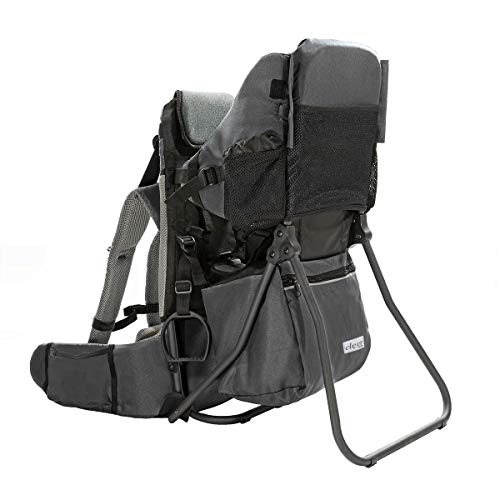
Designed for longer excursions, this carrier features a one-piece frame for sturdiness and easy setup, plus a 5-point harness with adjustable straps and stirrups for a secure position. It offers ample storage in large compartments, including a baby changing pad, bottles, and other essentials. The carrier weighs around 5.5 pounds, aiming to balance portability with strength.
Best for: Families seeking a robust frame with generous storage and a straightforward assembly process for frequent hikers.
Selected trade-offs: While lightweight for its size, some users may find the setup less compact than ultra-minimalist models when traveling.
WIPHA Hiking Backpack Carrier

WIPHA emphasizes ergonomic support for both parent and child. The carrier distributes weight to reduce neck and shoulder strain, with an adjustable waist and leg straps for secure fitting. It is lightweight yet sturdy, supporting up to 40 lbs, with a breathable backrest to keep the child cool. A reliable option for daily outings and longer adventures.
Best for: Parents prioritizing comfort on longer hikes and frequent outings, with a focus on weight distribution and breathability.
Selected trade-offs: The emphasis on comfort may come at a modest increase in weight compared with ultra-light models; confirm torso compatibility and adjustability for both wearers.
Beco Toddler Carrier — Metro Black

This carrier blends front-carry and backpack options with a 100% cotton construction, offering a soft touch against the skin and a hip-healthy design. The high back panel, detachable hood, and easy-access pocket add practicality for quick outings and nursing breaks. It’s best for parents who want a lightweight option that doesn’t compromise comfort.
Best for: Everyday use with a soft, skin-friendly fabric and flexible carrying positions, suitable for toddlers 24-48 months.
Selected trade-offs: Cotton fabric is comfortable but may require more care than synthetic materials; check for machine-washing capabilities if frequent cleaning is needed.
Hiking Baby Carrier Backpack — Luvdbaby

Luvdbaby’s carrier emphasizes safety with a padded cocoon and safety straps, plus a removable sun visor for weather protection. It offers height-adjustable straps and a load-bearing belt to help prevent back strain during hours of carrying. The design includes multiple pockets and an insulated bottle pocket, making it practical for day hikes and travel.
Best for: Parents who want integrated sun protection, multiple storage pockets, and adjustable height for growing children.
Selected trade-offs: The combination of comfort features and pockets may add bulk; ensure the fit is right for your torso length and hip width.
Beco Toddler Carrier — Breathable 3D Mesh

This version uses breathable 3D mesh and an extra-wide seat to improve airflow and distribute weight. It supports multiple carry positions, including front-carry and backpack styles, suitable for toddlers aged 24-48 months. The mesh helps keep both parent and child cooler on warm hikes or trips.
Best for: Hot climates or longer outings where airflow and comfort are critical, with flexibility for different carry positions.
Buying Guide: Key Considerations When Choosing a Hiking Carrier
What age and weight should you look for?
Most carriers accommodate ages around 6 months to 2 years and up to 40 pounds. For a 2-year-old, verify the maximum weight and the seat’s width and depth to ensure comfortable seating as your child grows.
How important is weight distribution?
Look for a carrier with a padded waist belt and lumbar support. Proper weight distribution reduces fatigue and protects your back over long hikes.
What safety features matter most?
Five-point harnesses, sturdy frame, stirrups, and a secure hip belt are essential. Some models include rain/sun protection and washable drool pads for easier maintenance.
How much storage do you need?
Consider pockets for diapers, wipes, bottles, snacks, and a changing pad. Some carriers offer under-seat storage and side pockets for quick access.
How adjustable should the fit be?
The ability to adjust torso length, shoulder straps, and waist circumference is important if more than one caregiver uses the carrier. A folding or compact frame can help with travel and storage.
What about weather protection?
Detachable sunshades or hoods help shield a child from sun, wind, and rain. Washable pads improve cleanliness on muddy or wet hikes.
Maintenance and cleaning
Easy-clean surfaces, removable padding, and machine-wash compatibility can significantly reduce upkeep time after outdoor adventures.
FAQ
Q: Is a 2-year-old ready for a backpack carrier?
A: Many toddlers reach a suitable weight and can sit comfortably in a well-fitted carrier with proper support. Check the manufacturer’s age and weight guidelines for the specific model.
Q: How do I choose the right size carrier for me?
A: Look for adjustable torso length and waist belts, plus a frame design that distributes weight evenly across your hips and shoulders.
Q: Can carriers be used for quick trips or only long hikes?
A: Most carriers are suitable for both short walks and longer excursions, provided they offer appropriate comfort features and safety straps.
Q: Are there safety certifications I should look for?
A: While formal certification varies, prioritize UPC safety features, sturdy construction, and reputable brands with clear safety and fit guidance.
Q: How should I maintain a hiking carrier?
A: Regularly inspect straps and buckles, wash removable pads per care instructions, and dry thoroughly to prevent mildew.
If you’re choosing among the five highlighted options, consider your hiking style, typical terrain, and who will carry the weight most often. A carrier with good weight distribution, weather protection, and practical storage will serve most family outings well.