Answering the buyer’s intent: these 2 oz baby bottles are ideal for newborns, preemies, or babies needing slow-flow or anti-colic options. This guide highlights top 5 products that help minimize gas and spit-up while supporting early feeding development. Best for caregivers seeking gentle flow, easier latch, and reduced fussiness during bottle feeding. The selection prioritizes bottles with anti-colic vents, slow or preemie flows, and design features that align with breastfeeding transitions.
The following quick-reference table summarizes the top picks and who they’re best for.
| Product | Brand | Best For |
|---|---|---|
| Dr. Brown’s Natural Flow Anti-Colic Options+ Narrow Bottle (2 oz) | Dr. Brown’s | Premature or feeding-difficulty babies needing very slow flow |
| Lansinoh Anti-Colic 2 oz Bottles | Lansinoh | Newborns needing air-vented anti-colic system and comfortable latch |
| Philips Avent Natural 2 oz Bottles | Philips Avent | Breastfed babies transitioning to bottle with natural latch |
| Pretty Baby 2 oz Anti-Colic Bottles | Pretty Baby | Newborns needing gas relief and a breast-like latch |
| Dr. Brown’s Anti-Colic Narrow 2 oz Bottle | Dr. Brown’s | Babies benefiting from anti-colic venting and slow flow |
Dr. Brown’s Natural Flow Anti-Colic Options+ 2 oz
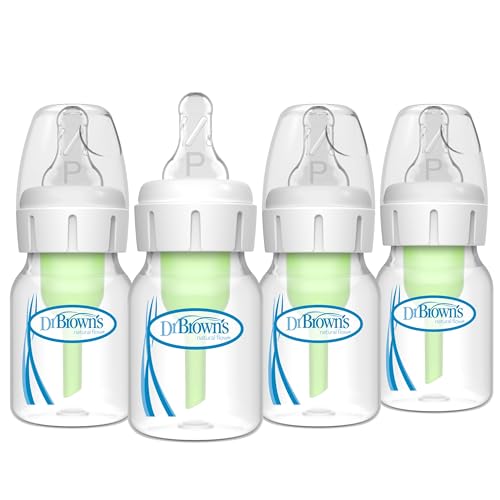
Brand: Dr. Brown’s
Features: Premie bottle with Preemie Flow nipple; slow flow for premature or feeding-difficulty babies; internal anti-colic vent reduces colic, spit-up, burping, and gas; vacuum-free feeding with consistent flow for paced feeding.
Best for: Families with premature or medically delicate infants requiring the slowest flow and reliable venting. Choose this if you need a visibly slower flow and a proven anti-colic system. Caution: cleaning the internal vent may require extra attention to maintain performance.
Lansinoh Anti-Colic 2 oz Bottles
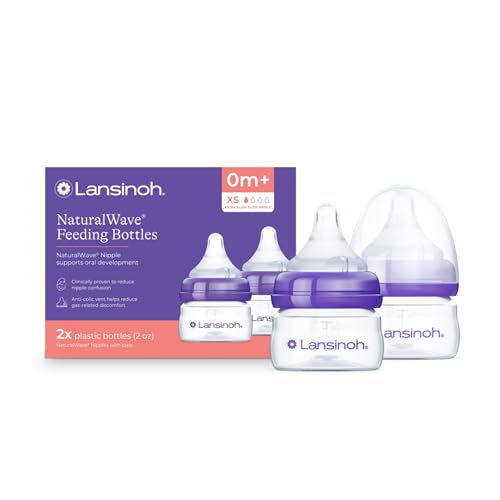
Brand: Lansinoh
Features: BPA-free plastic; ultra-soft silicone nipples; air ventilation system to limit air intake; supports baby-led feeding with flexible nipple tip that stretches with sucking.
Best for: Newborns who benefit from gentle latch and reduced gas. Better for babies who need an anti-colic design without a very restrictive flow. Caution: some parents may prefer glass or silicone options if they are sensitive to plastic materials.
Philips Avent Natural 2 oz Bottles

Brand: Philips Avent
Features: First Flow nipple to support gentle drinkers; wide breast-shaped silicone nipple for natural latch; venting design helps reduce feeding issues by moving air away from baby’s tummy.
Best for: Babies transitioning from breastfeeding or those who latch well to a bottle. Choose this if you want a natural latch experience that aligns with breastfeeding. Caution: the flow may be slightly faster than ultra-slow options for very small or fussy preemies.
Pretty Baby 2 oz Anti-Colic Bottles

Brand: Pretty Baby
Features: Anti-colic internal vent system reduces colic; vacuum-free feeding with consistent flow; breast-like nipple aids latch and transition between breast and bottle.
Best for: Newborns and light feeders who benefit from a calm feeding pace and a natural transition in feeding style. Caution: as with many 2 oz bottles, some babies may adapt to a different flow over time.
Dr. Brown’s Anti-Colic Narrow 2 oz Bottle

Brand: Dr. Brown’s
Features: Preemie Flow nipple for very slow flow; anti-colic internal vent reduces spit-up and gas; vacuum-free feeding with a consistent flow for paced feeding.
Best for: Babies needing careful control over flow, particularly premature or sensitive feeders. Caution: narrower design may be less comfortable for some babies used to wider bottles.
Buying Guide: Key Considerations For 2 Oz Baby Bottles
How to choose the right 2 oz bottle for your baby depends on flow needs, anti-colic features, and compatibility with breastfeeding goals. Consider the following:
- Flow rate: If your infant is a very slow feeder or premature, opt for the “Preemie” or ultra-slow options. For babies approaching regular feeding, a standard slow-flow may be suitable.
- Vent/anti-colic design: Vent systems help reduce air intake and gas, but cleaning frequency and ease of maintenance matter. Evaluate how easily you can clean internal vents.
- Nipple design: Breast-shaped or natural-latch nipples can aid transition between breast and bottle. Look for wide bases or flexible nipples if latch comfort is a priority.
- Material: BPA-free plastic bottles favor light weight and affordability; glass bottles may offer cleaning advantages but are heavier and more fragile. Consider baby’s preferences and caregiver convenience.
- Ease of cleaning: Narrow or complex vent systems may require more meticulous cleaning. Consider bottle-dedicated brushes and dishwasher compatibility if available.
- Transition compatibility: If you’re combining breastfeeding with bottle feeding, choose bottles designed to resemble breast feeding mechanics and flow patterns to minimize nipple confusion.
Frequently Asked Questions
- What makes a bottle “anti-colic”?: Anti-colic bottles feature an internal vent system or air-control design meant to reduce the amount of air swallowed during feeding, which can lower gas and spit-up.
- Are 2 oz bottles only for newborns?:
- Yes, 2 oz bottles are commonly used for newborns, premature babies, or for practice feeds and transitions. Some babies may outgrow them quickly as they require more milk per feeding.
- Is a slow-flow nipple better for all babies?:
- No. Some babies feed well with standard flow, while others need ultra-slow flow to prevent choking or spit-up. Observe your baby’s cues and adjust accordingly.
- How do I clean the anti-colic vent?:
- Disassemble thoroughly and wash with warm soapy water. Some vents are dishwasher-safe, but always follow the manufacturer’s cleaning guidelines to avoid loss of vent effectiveness.
- Should I choose plastic or glass bottles for 2 oz sizes?:
- Plastic bottles are lighter and less prone to breakage, making them convenient for daily use and travel. Glass bottles may appeal to caregivers seeking a non-porous material and easier odor control, though they require careful handling.