Choosing the right bed for an autistic toddler involves safety, sensory comfort, and easy setup. The options below focus on enclosed, private spaces, soft textures, and simple assembly to support restful sleep and independent time during the day. Each entry highlights how the design can reduce overstimulation, promote predictability, and accommodate growth.
| Product | Brand | Why It Stands Out |
|---|---|---|
| LEEDOR Mosquito Net Bed Tent Canopy (Pink) Twin 75 x 39 x 47H | LEEDOR | Lightweight canopy with four doors; easy access and privacy for a calming sleep space. |
| BORNA Bed Tent Bed Canopy Twin Size | BORNA | Rectangular, blackout fabric with three doors for controlled light and easy entry. |
| RIYDH Bed Tent Canopy Twin Size | RIYDH | Large, breathable, low-light design to reduce sensory overload and promote focus. |
| Tatub Twin Montessori Floor Bed | Tatub | Low-profile floor bed with rails and adaptable door placement for safety and routine. |
| Tykacna Travel Toddler Bed | Tykacna | 3-in-1 versatility (bed, lounger, sofa) with compact setup for travel and naps. |
Introduction text continues here with a concise overview of how these bed designs can help autistic children by providing predictable boundaries, gentle sensory experiences, and easier transitions between sleep and wakeful activities. The following sections present each product with key features and practical considerations.
LEEDOR Pink Bed Tent Canopy Twin Size (Privacy Tent)

The LEEDOR bed tent provides a compact, private space over a twin mattress without requiring bed-frame attachment. Patent-pending construction uses four doors and two windows to ease access and create a controllable lighting environment. The pop-up frame and shock-corded poles enable quick setup within minutes, helping a caregiver establish a consistent sleep routine. The tent is lightweight (about 4 lbs) and folds into a portable bag, making it suitable for dorm rooms, play areas, or travel. Mattress is not included, so families can pair with their existing setup or use it as a standalone privacy tent with a floor base.
Sensorially, the enclosure helps reduce visual and auditory overstimulation by creating a defined space. The washable canopy supports ongoing maintenance, and its generous dimensions fit typical twin beds. For families seeking a calm, enclosed sleep environment, this tent offers a practical balance of enclosure, airflow, and ease of use.
BORNA Bed Tent With Three Doors

BORNA’s bed tent uses an 8mm fiber pole system to create a stable through-pole blackout enclosure with a spacious rectangular frame. The 75 x 38.6 x 47-inch dimensions suit twin beds and provide a private zone conducive to calm time, naps, or reading. The fabric is dark and light-blocking to help manage overarousal from environmental light. The door design includes double zippers and dual-layer panels (breathable mesh and blackout fabric) so caregivers can control ventilation and lighting according to needs. With three doors, entry and exit are simplified for anxious or movement-prone children.
Removable doors and a sturdy frame contribute to long-term durability, while the black interior can offer a “cocoon” feeling that some autistic children find comforting. The setup is straightforward for caregivers and spaces that require flexible use of the room.
RIYDH Bed Tent Canopy Twin Size

RIYDH emphasizes a large, breathable space with a design focus on easy installation and relocation. The bed tent is aligned with U.S. mattress sizes and features a floorless design for flexible sheet changes and mattress movement. The three-door layout supports easy access while maintaining privacy. The construction uses sturdy fiberglass poles for stability, enabling predictable boundaries that some autistic children favor. The tent’s interior allows free movement with less risk of entanglement in clutter, which can be reassuring during bedtime routines.
For rooms where parents want a quiet, contained sleeping area without heavy setup, this model offers a practical compromise between space, ventilation, and ease of cleaning. The dark, barrier-like appearance can help reduce sensory input and help children settle into a predictable sleep space.
Tatub Twin Montessori Floor Bed With High Rails

Tatub’s Montessori floor bed emphasizes safety and independence. With high rails and a left/right door installation option, the design supports gentle transitions for a toddler who is consolidating autonomy. The low-to-the-floor frame reduces the risk of injury from falls and accommodates a child’s natural movement patterns during sleep. The open design can be appealing for children who like to self-shelter in a defined space while still staying connected to the room. The bed is listed in a neutral grey tone that blends with most bedrooms and bedding themes.
By allowing door placement flexibility and a modest rail height, this model aligns with routines that reward predictability. Parents may appreciate the ease of cleaning and the straightforward assembly, which can aid in maintaining a consistent bedtime regimen.
Tykacna Travel Toddler Bed
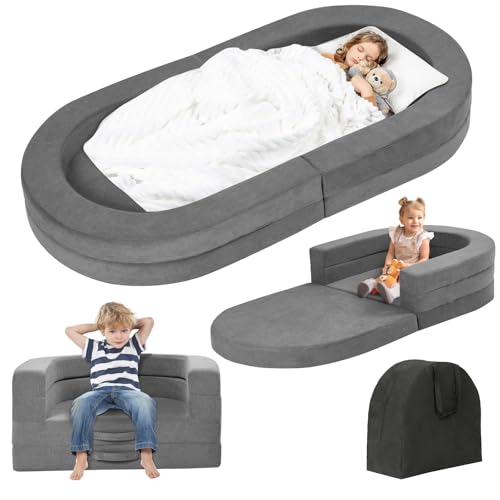
This 3-in-1 design transitions between a floor bed, a cozy lounger, and a small sofa, making it a versatile option for naps, travel, and family visits. The bed’s 52 by 25.6-inch sleeping area accommodates children up to 60 lbs in a compact footprint, with a 3-inch-thick guardrail providing added security. The lightweight, foldable construction supports easy transport and setup, helping families maintain a consistent sleep environment across locations. The washable cover and durable materials support ongoing hygiene with minimal fuss for caregivers.
The three-in-one concept can help autistic children adapt to new environments without the stress of entirely different sleep arrangements. It’s especially useful for families who travel frequently or have visiting relatives, where a familiar sleep space is beneficial for comfort and routine adherence.
Buying Guide: Key Purchase Considerations and Comparisons
When selecting a bed for an autistic toddler, consider these factors:
- Privacy and sensory control: Look for enclosed or partially enclosed designs that offer a defined space, while allowing airflow. Dark color interiors and blackout panels can reduce overstimulation in bright rooms.
- Safety features: Low bed height, sturdy frames, and safe entry/exit do not rely on complicated mechanisms. Rails or soft barriers can prevent falls without restricting movement.
- Ease of setup and maintenance: For busy caregivers, a tent-style canopy or floor bed that assembles quickly and cleans easily helps maintain routines.
- Flexibility for growth: Some beds offer adjustable doors, removable slats, or multipurpose configurations that suit changing needs as a child grows.
- Room compatibility: Consider room size, ceiling height, and existing mattress dimensions to ensure a good fit.
- Durability and warranty: Durable fabrics, reinforced stitching, and a reliable return policy support long-term use in families with evolving sensory needs.
- Travel and portability: If frequent travel is common, lightweight designs and compact folding systems reduce setup friction and help maintain sleep rituals away from home.
For families evaluating these options, prioritize features that align with the child’s sensory profile and daily routine. Some children respond best to dark, quiet, and enclosed spaces; others benefit from easy accessibility and adjustable lighting. Balancing enclosure with ventilation, ease of access, and the ability to customize the space over time can lead to more consistent sleep patterns and reduced bedtime stress.