Finding a reliable baby gate for uneven walls can be tricky. The right gate should securely mount to angled or irregular surfaces, adapt to wide openings, and still offer easy one‑hand operation for adults. Below are five top picks that balance width, mounting stability, and practical use in homes with stairs, doorways, or fireplaces. Each gate is designed to accommodate irregular layouts while keeping children safe.
style=”display:none;”>Summary Table of Selected Products
– Babelio Baby Gate for Stairs, Kitchen & Doorways, 26-43″ W, 28″ H, Hardware Mount (White)
– Cumbor 29.2–43″ Baby Gate for Stairs, Wall-Mounted, Drill Required, Expandable, No Bottom Bar
– Bonnlo Baby Safety Gate, 74-Inch Configurable Walk-Through Fence, 25.39″ W x 29.3″ H per panel
– Regalo 76 Inch Super Wide Configurable Baby Gate, Includes 4 Pack of Wall Mounts and Hardware
– COMOMY 80″ Extra Wide Baby Gate, 3 Panels, Hardware Mounted, 30″ Tall
id=”babelio”>Babelio Baby Gate For Stairs And Doorways
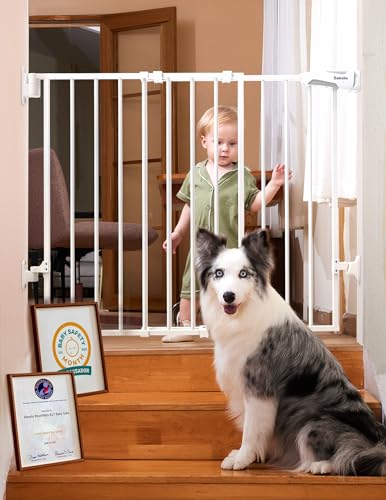
The Babelio gate is hardware mounted, designed for stairs, bannisters, and doorways with adjustable width from 26 to 43 inches. Its 28-inch height makes it suitable for toddlers and medium pets. An auto‑close feature provides hands‑free convenience, while a stay‑open option supports flexible childproofing in busy living spaces. Unlike pressure gates, this model opens fully for wide walk‑through access, reducing tripping hazards on stair landings.
Key considerations for uneven walls: ensure mounting points align with stair banisters or wall studs. The sill‑free design helps minimize gaps that could catch clothing or small toes. Proper installation requires drilling and securing wall cups as instructed, which enhances stability on irregular surfaces. This gate is a strong option when you need a secure, wide passage without bottom bars that may snag furniture or carpets.
id=”cumbor”>Cumbor 29.2–43 Inch Wall‑Mounted Gate

This hardware‑mounted gate is designed to fit openings from 29.2 to 43 inches and requires drilling for maximum safety. It’s intended for top and bottom mounting, which helps stabilize the gate on uneven walls or stair landings. With a no‑bottom‑bar design, it offers a seamless walk‑through that reduces tripping for both children and pets. The expanded width makes it suitable for irregular layouts where standard gates wouldn’t fit.
Important notes for uneven walls: measure both top and bottom mounting areas to ensure the gate can be anchored to solid studs or solid wall backing. This gate excels in areas where drywall alone won’t provide enough support, such as stair alcoves or angled wall segments. Its expandable range offers flexibility across multiple openings without needing multiple gates.
id=”bonnlo”>Bonnlo 74-Inch Configurable Safety Gate

This 74‑inch configuration uses multiple panels that pivot to fit odd shapes and wide openings. Panels can be removed or added to tailor the gate to your space, and the walk‑through door includes a safety lock. The design supports bending into a variety of formations and is suitable for homes with fireplaces, stairs, and doorways that don’t form perfect rectangles. The gate swings both directions, facilitating easy access for adults moving between rooms.
Considerations for uneven walls: the modular panels allow you to contour around irregular corners or angled walls. When mounting, align hinges with sturdy framing and secure each pivot point to prevent flexing over time. The one‑hand operation is helpful when you’re juggling a child and groceries, but ensure you practice engaging the locking mechanism before relying on it daily.
id=”regalo76″>Regalo 76 Inch Super Wide Configurable Gate

Regalo’s gate expands from 28 to 76 inches with three panels and includes wall mounting brackets adding 2 inches to each side. It stands 30 inches tall and is configurable to fit doorways, wide openings, or bottom-of-stairs areas. Closure relies on a latch mechanism and requires wall cups for secure placement. It’s not designed for top‑of‑stairs use, making it best suited for horizontal passages in uneven floor plans.
When walls are uneven or sloped, plan to position the gate where the wall cups can anchor into solid framing. The added width helps cover broader gaps that standard gates miss, but verify that the mounting points won’t clash with baseboards or trim. Regularly check screws and brackets to maintain stability over time in busy households.
id=”comomy”>COMOMY 80″ Extra Wide Gate

COMOMY’s 80‑inch gate is an extra‑wide, 3‑panel system designed for large openings and irregular layouts. It stands 30 inches tall and can accommodate openings from 33 to 80 inches. It’s ideal for long corridors, angled doorways, and wide stair bottoms where standard gates won’t reach. A double‑lock system adds security, and the hardware mounting provides sturdy installation on both straight and angled walls. The 2.2‑inch bar spacing and a 16.5‑inch walk‑through width ensure safe passage for children and pets.
Key notes for uneven walls: hardware mounting is essential for maximum stability. Tighten knobs after positioning and loosen them before folding to avoid misalignment. This gate is well suited to wide, irregular spaces where you need a single solution rather than several narrower gates. Its long reach makes it a strong candidate in open‑concept homes with mixed wall angles.
Buying Guide: Key Purchase Considerations
When choosing a baby gate for uneven walls, consider these factors to ensure safety and fit across varied spaces:
- Mounting method: Hardware mounting offers greater stability on irregular walls and stairs than pressure mounts. Ensure you have access to studs or strong anchors.
- Width range and adjustability: Look for gates that cover wide openings and can be adjusted to fit nonstandard dimensions. Multi‑panel configurations are valuable for angled layouts.
- Height and clearance: A taller gate reduces climbing risk, while no bottom bar designs minimize tripping hazards on busy floors.
- Walk‑through comfort: A wide walk‑through opening helps adults navigate doorways or stairs with a child in hand.
- One‑hand operation: Families often need to operate gates with one hand; choose models with reliable locking mechanisms and easy latching.
- Durability and materials: Metal frames with powder coatings resist nicks and wear. Check for smooth edges and reinforced joints to withstand daily use.
- Installation effort: Hardware mounting requires more setup time but rewards with long‑term stability. Ensure you have the right tools and wall anchors for your home.
- Maintenance: Regularly check screws, brackets, and latches. Clean mechanisms to avoid jammed doors in high‑traffic areas.
- Safety certifications: Look for gates with reputable safety testing or certifications and avoid models with loose or easily defeated latches.
- Room-specific considerations: For fireplaces or stairs, ensure the gate does not obstruct vents or create fire hazards, and position away from heat sources where feasible.
In summary, for uneven walls and wide openings, hardware‑mounted, expandable gates tend to perform best. They offer robust installation on angled surfaces and adapt to irregular floor plans better than many pressure gates. Compare the width range, panel flexibility, and mounting requirements to choose a gate that aligns with your home’s unique geometry.