Choosing a back carry baby carrier helps parents stay hands-free while keeping little ones close. This guide reviews five popular options designed for back carries, highlighting ergonomics, adjustability, and comfort for both baby and caregiver. Whether you’re navigating errands or tackling outdoor adventures, these carriers offer versatile positions and supportive designs to fit a range of ages from newborns to toddlers.
| Product | Brand | Weight Range | Key Benefit |
|---|---|---|---|
| Infantino Flip Advanced 4-in-1 | Infantino | 8–32 lbs | Multiple carrying positions with back carry option |
| Infantino Flip 4-in-1 Convertible | Infantino | 8–32 lbs | Ergonomic design with adjustable seating |
| Beco Baby Carrier Toddler Carrier | Beco | 20–60 lbs | Extra wide seat for longer use |
| besrey Baby Backpack Carrier | besrey | 16–40 lbs | Safety harness and sunshade for outdoor activities |
| Bear Baby Carrier | Bear | 7–44 lbs | 6-in-1 versatility with hip seat |
Infantino Flip Advanced 4-in-1 Back Carry Carrier

The Infantino Flip Advanced 4-in-1 is a multifaceted carrier designed for newborns to toddlers (8–32 lbs) with a back carry option. It supports facing-in and facing-out positions on the front and includes ergonomic design elements to distribute weight. Padded shoulder straps and a wide waist belt help minimize back and shoulder strain during longer periods of wear. The carrier is adjustable to fit various caregivers, including moms, dads, and grandparents, ensuring a secure, personalized fit for back carries and other positions.
Infantino Flip 4-in-1 Convertible Carrier
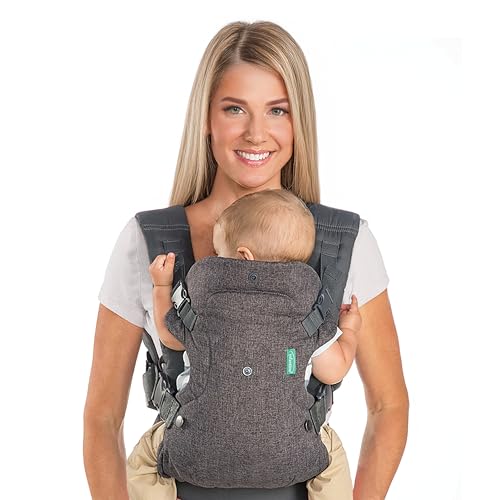
This 4-in-1 carrier from Infantino mirrors the versatility of the Advanced model, offering facing-in, facing-out, and back carry positions for newborns through toddlers (8–32 lbs). Its ergonomic build includes padded straps and a supportive waist belt to evenly distribute weight, reducing fatigue during everyday tasks or park outings. Like its sibling, it’s adjustable for different caregivers to maintain a secure fit across diverse body types.
Beco Baby Carrier Toddler Carrier With Extra Wide Seat

The Beco Toddler Carrier is designed for longer use with an extra-wide seat and 100% cotton construction for skin-friendly comfort. It supports toddlers from 20 to 60 lbs and includes features like lumbar support and size adjustments for caregivers. A detachable hood, zippered pocket, and a back panel contribute to practical versatility, making it a strong choice for back carries and front carries as your child grows.
besrey Baby Backpack Carrier

The besrey backpack carrier emphasizes safety and adaptability for outdoor adventures. It features a 5-point seat belt system with soft materials, plus a detachable sunshade and washable drool pad. Lightweight at around 5.5 pounds, it can accommodate children within a broad weight range and offers a comfortable, secure back carry experience with practical weather protection built in for hiking or travel.
Bear Baby Carrier With Hip Seat

The Bear carrier focuses on flexibility with 6 carrying options and an ergonomic hip seat designed to position the baby’s legs in an M-shape for hip health. Suitable for ages 3 to 36 months and 7–44 lbs, it uses a thoughtful distribution of load points to reduce strain on the wearer. Its adjustable features allow quick adaptation for different caregivers and activities, from quick errands to longer walks.
Buying Guide: Key Purchase Considerations
When selecting a back-carry carrier, consider fit, comfort, and longevity. Weight range compatibility is essential to ensure the carrier supports your child as they grow. Look for padded shoulder straps, a contoured waist belt, and lumbar support to minimize strain on your back. Check for an ergonomic seat that keeps the baby’s hips in a healthy position, ideally with an M-shaped leg diapering. Ease of use matters: intuitive buckles, straightforward adjustments, and clear instructions help families use the carrier safely each day.
- Back carry suitability: Verify that the carrier supports back carry positions securely for your child’s age and weight.
- Ergonomics for baby: An ergonomic seat with hip-healthy positioning reduces pressure on developing hips and spine.
- Ergonomics for caregiver: Wide waist belts, broad shoulder padding, and even weight distribution decrease fatigue during longer wear.
- Adjustability: Features should accommodate different caregivers and body types, ensuring a personalized fit.
- Material and care: Choose breathable fabrics that are easy to clean and maintain, especially for active families.
- Storage and extras: Look for pockets, hoods, or sunshades that enhance practicality during travel or outdoor use.
- Durability and longevity: Consider whether the carrier will continue to suit your child as they transition from infant to toddler.
For back carries, prioritizing ergonomic design and a secure fit across multiple caregivers helps maintain comfort and safety. The listed products deliver varying approaches—from front-facing versatility to dedicated toddler support—so families can select a back-carry option that aligns with lifestyle, terrain, and the child’s growth trajectory.