Alphabet mats for babies blend learning with safe, soft play surfaces. This article highlights five top options, detailing sizes, materials, and key features to help parents pick a mat that supports early literacy, gross motor skills, and safe exploration. Each product section links to Amazon for quick reference and outlines what makes the mat suitable for infants and toddlers in real-world homes.
Summary of chosen products
| Product | Brand | Size / Coverage | Notable Features | Material Notes |
|---|---|---|---|---|
| ProSource Kids Puzzle Alphabet | ProSource | 6’ x 6’ area (36 tiles, 12”x12” + 24 border pieces) | Educational letters and numbers, modular play area | Soft EVA foam |
| Beavtaens Baby Play Mat | Beavtaens | 50×50 inches | Anti-slip bottom, foldable, machine washable | Soft fabric with microfiber filling |
| QUOKKA Baby Play Mat | QUOKKA | 60×41 inches | ABC themed, non-slip plush backing, safe materials | Plush surface, non-slip backing |
| Regalo Extra Large Alphabet Play Mat | Regalo | 77” x 71” | Reversible design, portable and wipe-clean | Foam surface |
| TreeBud Baby Play Mat (71×59) | TreeBud | 59” x 71” | Ultra-plush, waterproof top, foldable | Soft foam with waterproof top |
ProSource Kids Puzzle Alphabet, Numbers, 36 Tiles and Edges Play Mat
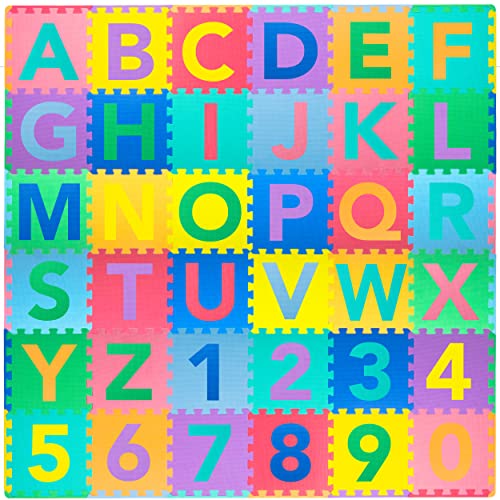
The ProSource Alphabet Puzzle mat uses 36 interlocking tiles, each 12”x12”, designed to form a 6’x6’ play area when fully assembled. It includes 24 border pieces, offering flexible configuration for smaller spaces or larger play zones. The mat features bright primary colors with pop-out letters and numbers to reinforce early literacy and numeracy. It is made from soft EVA foam intended to be free of toxic phthalates, creating a safer play area for children aged three and up. This setup is ideal for families seeking a modular, educational floor surface that doubles as a learning tool.
Educational value stems from letter and number exposure, while the modular design supports varied room layouts. Cleaning is straightforward, and the central 6’x6’ area provides ample room for tumbling and practice with toys, blocks, or puzzles. Parents can also use only a portion of the mat for compact spaces without sacrificing the educational benefits of the alphabet and numbers.
Beavtaens Baby Play Mat, 50×50 Playpen Mat

The Beavtaens play mat emphasizes comfort and practicality, featuring a 50×50 inch area with an upgraded non-slip silicone back for better grip on various floors. The mat is a one-piece design, requiring no assembly, and folds for compact storage, making it ideal for families on the go. It uses a microfiber-filled surface described as soft and gentle against skin, which helps with crawling and floor time. The mat is suitable for indoor use and can be transported to parks or picnics, expanding playtime options beyond the living room.
In terms of versatility, this mat supports crawling, rolling, and supervised play. The non-slip back helps reduce shifting during movement, contributing to a safer play environment. While it is machine washable, users should follow care instructions to preserve softness and surface texture over time. The Arran animal alphabets theme can encourage early word recognition through exploration of shapes, colors, and letters embedded in the design.
QUOKKA Baby Play Mat for Floor – ABC Rug

QUOKKA offers an ABC-themed play mat with a plush surface and a non-slip backing. The mat measures 60×41 inches, providing a broad area for babies to crawl, stand, or play with alphabet toys. The emphasis on non-slip backing helps keep the mat in place on various floor types, reducing the risk of slips during tummy time or exploration. The materials are described as BPA-free and non-toxic, which aligns with safety expectations for infant and toddler products.
Learning becomes tangible through bright colors and letter exposure, aiding early literacy. The plush surface adds comfort, while the non-slip backing provides stability. This mat is well-suited for playrooms or living spaces where a larger alphabet-themed surface is desired without a high-volume footprint. It balances softness, safety, and educational value for infants and toddlers.
Regalo 77×71 Alphabet Play Mat

The Regalo extra-large mat is designed to cover substantial floor area, measuring up to 77 inches by 71 inches when fully laid out. It features raised symbols including letters and numbers to support sensory learning and early math concepts. The surface is constructed from durable foam and is reversible, offering two styles for visual variety. A portable, foldable design makes storage and travel easier, while the wipe-clean surface supports quick maintenance after spills or messes. This mat suits larger play spaces and families who want a long-term, adaptable learning area.
Alongside literacy, the mat supports gross motor activities like crawling and tummy time on a sizable area. Its durability and water resistance are practical for busy households, though it is important to note that large foam mats can be bulky to transport. The reversible feature also helps users rotate designs for a fresh look without buying a second mat.
TreeBud Baby Play Mat – 71×59 Inch

TreeBud’s 71×59 inch play mat is a large, ultra-plush option with a waterproof, breathable top layer. The extra-thick foam provides a cushioned surface ideal for tummy time, crawling, and early motor development. The mat is designed to be foldable for easy storage and travel, with a non-slip bottom to help keep it in place on different floors. Its dinosaur and letters design adds visual interest to promote engagement and exploration during playtime.
The mat’s wipe-clean surface simplifies maintenance, which is beneficial for parents managing daily messes from toddlers. The combination of spacious dimensions, safety-focused materials, and practical maintenance features makes this option a strong choice for homes with larger play areas or multi-use living spaces.
Buying Guide: Key Purchase Considerations and Comparisons
When choosing an alphabet mat for babies, consider the following factors to ensure a balance of safety, learning value, and practicality:
- Size and layout: Larger mats offer more room for movement and extended play, but require more storage. Consider the space available in your home and whether you want a modular option (like tile sets) or a single large mat.
- Material safety: Look for non-toxic, BPA-free, and phthalate-free materials. Softer foam surfaces reduce impact on falls, while plush tops provide comfort for tummy time.
- Non-slip design: A non-slip backing or textured bottom helps keep the mat in place on carpet and hard floors, reducing shifting during play.
- Educational value: Alphabets, numbers, colors, and animal themes can encourage early literacy and cognitive development. Some mats include pop-out letters or surface textures to stimulate tactile learning.
- Cleaning and maintenance: Machine-washable fabrics and wipe-clean surfaces save time on cleanup. Foldable or rollable designs aid in organization and travel.
- Portability and storage: If you need to move between rooms or take mats on trips, consider foldable options with compact storage.
- Durability and lifespan: Heavier-duty foam and reinforced seams extend the life of the mat through daily use and kid aging, while colorfast designs resist fading with cleaning.
- Versatility: Some mats work well as a dedicated play space, while others double as a learning rug for interactive activities or storytime.
In practice, parents often weigh size against convenience. A 50×50 inch mat suits smaller rooms, while 71×59 inch or 77×71 inch options cover larger play areas and can be used for family floor activities beyond baby use. For families with multiple play areas or rooms, a modular, puzzle-style mat may offer the most customization. Always verify cleanability, safety certifications, and age recommendations to align with your home environment and child’s development stage.